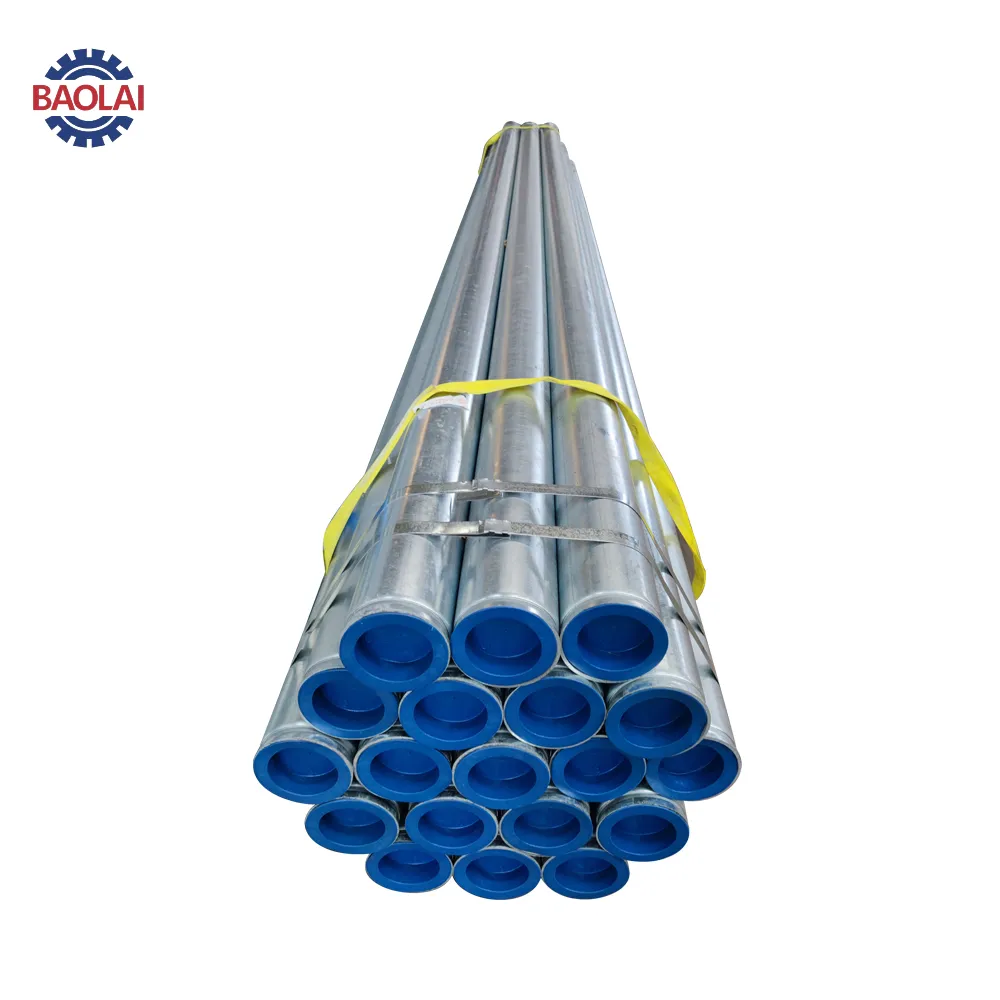
A fire protection pipe is one of the most critical components of any fire suppression system, ensuring that water is delivered quickly and efficiently to sprinkler heads during a fire emergency. Whether installed in commercial buildings, industrial plants, warehouses, hospitals, schools, hotels, shopping centers, or residential complexes, a dependable fire protection pipe helps reduce fire damage, protect valuable assets, and improve occupant safety. As construction standards continue to evolve, reliable fire protection piping has become an essential requirement for modern buildings that prioritize safety and regulatory compliance.
High-quality fire protection pipes are engineered to withstand demanding operating conditions while maintaining consistent water flow under pressure. Available in materials such as carbon steel, galvanized steel, stainless steel, and CPVC, these pipes are designed to meet the needs of different environments and applications. Selecting the right fire protection pipe ensures long-lasting performance, lower maintenance costs, and dependable operation throughout the life of the fire suppression system.
Fire Protection Pipe Materials
The material used in a fire protection pipe plays a significant role in determining its durability, corrosion resistance, and overall performance. Carbon steel fire protection pipe is widely used because of its excellent strength, affordability, and ability to handle high-pressure water distribution systems. It is commonly found in commercial buildings, industrial facilities, and large infrastructure projects where durability is essential.
Galvanized steel fire protection pipe provides additional corrosion protection through a zinc coating that helps prevent rust in humid or moisture-prone environments. Stainless steel fire protection pipe offers exceptional resistance to corrosion and chemical exposure, making it suitable for specialized facilities such as pharmaceutical plants, food processing factories, laboratories, and marine environments. CPVC fire protection pipe is another popular option for residential and light commercial buildings because it is lightweight, corrosion-resistant, and easy to install.
Each material offers unique advantages depending on building type, environmental conditions, water quality, and project requirements. Selecting the appropriate fire protection pipe material helps maximize system efficiency while extending service life.
Fire Protection Pipe Applications
Fire protection pipe systems are used in nearly every sector where fire safety is essential. Commercial office buildings depend on reliable fire suppression systems to protect employees, business operations, and valuable equipment. Manufacturing plants use durable fire protection pipe to safeguard production facilities, machinery, and inventory against unexpected fire incidents.
Warehouses rely on extensive piping systems to protect stored goods across large storage spaces. Hospitals require dependable fire protection pipe to ensure patient safety and protect sensitive medical equipment. Educational institutions, airports, shopping malls, hotels, apartment buildings, and government facilities all depend on professionally designed fire protection piping systems to provide rapid emergency response and complete building coverage.
The flexibility of modern fire protection pipe allows engineers to design customized systems that meet the unique fire safety needs of different structures while maintaining compliance with local and international building regulations.
Fire Protection Pipe Performance
Reliable performance is essential for every fire protection pipe system. During an emergency, the piping network must transport water rapidly and consistently without significant pressure loss. High-quality fire protection pipes are manufactured with smooth internal surfaces that improve hydraulic efficiency and reduce friction, ensuring effective water flow throughout the entire sprinkler system.
These pipes are designed to withstand high operating pressures while maintaining structural integrity over many years of continuous service. Their durable construction helps minimize leaks, mechanical failures, and corrosion, allowing fire protection systems to remain dependable even in demanding industrial environments.
A properly designed fire protection pipe network contributes directly to faster fire suppression, reducing structural damage and improving the safety of building occupants until emergency responders arrive.
Fire Protection Pipe Installation
Professional installation is one of the most important factors influencing the long-term reliability of afire protection pipesystem. Engineers carefully calculate pipe diameter, water demand, hydraulic pressure, and system layout before installation begins. Proper pipe sizing ensures balanced water distribution across every sprinkler head during emergency operation.
Experienced installation teams secure pipes using appropriate supports while creating leak-free connections between valves, fittings, and sprinkler components. Pressure testing after installation confirms that the fire protection pipe system operates safely under emergency conditions without water loss or structural weakness.
Accurate installation also simplifies future inspections and maintenance while helping buildings comply with fire safety regulations and engineering standards.
Fire Protection Pipe Maintenance
Routine maintenance helps preserve the effectiveness of every fire protection pipe system throughout its operational life. Regular inspections allow maintenance personnel to identify corrosion, leaks, mechanical damage, sediment accumulation, or blocked sections before they impact system performance.
Water flow testing ensures that the fire protection pipe continues supplying sufficient pressure throughout the building. Internal cleaning may also be performed when necessary to remove mineral deposits or debris that could restrict water movement. Inspecting valves, fittings, supports, and sprinkler connections helps maintain complete system reliability while reducing unexpected repair costs.
Preventive maintenance extends the service life of fire protection pipe and provides greater confidence that the system will function correctly during a real emergency.
Fire Protection Pipe Benefits
Installing a premium fire protection pipe provides lasting benefits for property owners, contractors, and facility managers. Fast and reliable water delivery improves fire suppression efficiency by controlling fires during their earliest stages. This reduces property damage, minimizes business interruptions, and helps protect valuable assets from extensive losses.
Modern fire protection pipe systems also require relatively low maintenance due to their durable construction and corrosion-resistant materials. Their compatibility with advanced sprinkler systems allows them to support efficient fire suppression across a wide variety of building types. In addition, professionally installed fire protection pipe helps buildings meet insurance requirements, fire codes, and construction regulations, contributing to safer working and living environments.
Fire Protection Pipe Selection
Choosing the appropriate fire protection pipe requires evaluating several important factors, including pipe material, pressure rating, corrosion resistance, operating environment, water quality, building occupancy, and expected service life. Every project presents different challenges, making careful material selection essential for long-term system performance.
Working with experienced manufacturers and qualified fire protection engineers ensures access to certified fireprotection pipe products that meet recognized international standards. High-quality piping materials reduce maintenance costs, improve operational reliability, and support the overall efficiency of the fire suppression system for decades.
Conclusion
A dependable fire protection pipe forms the backbone of every effective fire suppression system. From commercial offices and industrial facilities to residential developments and public institutions, high-quality fire protection pipe provides the durability, strength, and reliable water delivery needed to protect lives and valuable property during emergencies. By selecting premium materials, ensuring professional installation, and following regular maintenance practices, building owners can create a fire protection system that offers long-term safety, outstanding performance, and full compliance with modern fire safety standards. Investing in the right fire protection pipe is a practical decision that delivers lasting value, improved reliability, and greater peace of mind for every type of building.