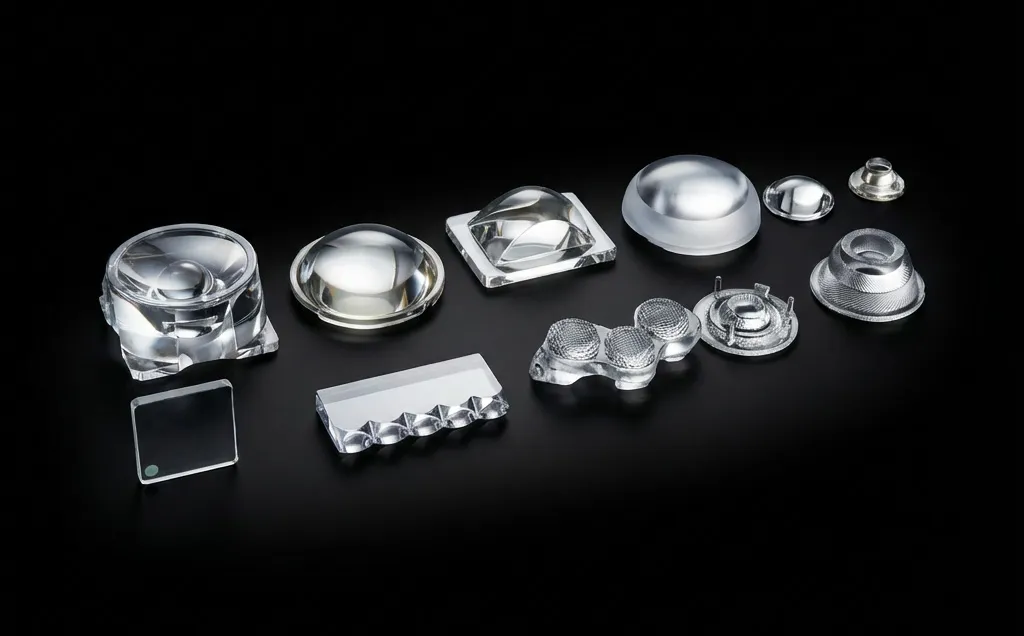
Medical silicone products have become an essential part of the healthcare industry because of their excellent durability, flexibility, and biocompatibility. Hospitals, clinics, laboratories, and medical device manufacturers rely on silicone-based materials to produce safe and long-lasting products for patient care. From surgical instruments to wearable medical devices, silicone has transformed the medical sector by providing reliable performance under demanding conditions.
The increasing demand for medical silicone products is driven by advancements in healthcare technology and the need for materials that meet strict quality standards. Unlike many traditional materials, medical-grade silicone is resistant to high temperatures, chemicals, and repeated sterilization processes. These properties make it an ideal choice for applications that require safety, hygiene, and long-term performance.
Medical Silicone Products Applications
Medical silicone products are widely used in different healthcare environments because of their versatility. Manufacturers produce silicone tubing, medical seals, silicone gaskets, prosthetic components, respiratory masks, catheter parts, wound care products, and implantable medical devices using high-quality silicone rubber. These products maintain their flexibility while resisting wear, moisture, and environmental stress.
Silicone is also commonly found in medical equipment that requires precision and reliability. Diagnostic devices, fluid transfer systems, and laboratory equipment often include silicone components that help maintain accurate performance. Since silicone does not easily react with body fluids or medications, it remains one of the preferred materials for critical healthcare applications.
Medical Grade Silicone Materials
Medical-grade silicone is specifically designed to meet strict healthcare regulations and safety standards. This material undergoes extensive testing to ensure it is suitable for direct or indirect contact with the human body. Its smooth surface minimizes bacterial growth, making it an excellent option for medical environments where cleanliness is essential.
Another important advantage of medical-grade silicone is its ability to withstand repeated sterilization without losing its physical properties. Whether exposed to steam sterilization, ultraviolet light, or chemical disinfectants, silicone maintains its flexibility and structural integrity. This durability allows hospitals and manufacturers to rely on silicone components for extended periods without frequent replacement.
Silicone Manufacturing Process
The production of medical silicone products involves advanced molding techniques that ensure precision and consistency. Compression molding, liquid silicone rubber injection molding, and transfer molding are commonly used manufacturing methods. These processes create highly accurate silicone parts that meet the demanding requirements of the healthcare industry.
Manufacturers carefully monitor every stage of production to maintain product quality. High-quality silicone compounds are selected to ensure excellent resistance to heat, chemicals, and environmental exposure. Precision engineering also helps manufacturers produce custom silicone components for specialized medical equipment and patient-specific applications.
Performance and Durability
One of the primary reasons medical silicone products continue to gain popularity is their exceptional durability. Silicone remains stable under extreme temperatures and does not crack, harden, or degrade easily over time. This long-lasting performance reduces maintenance costs while improving the reliability of medical devices.
Silicone also offers excellent elasticity, allowing products to bend and flex repeatedly without damage. This feature is particularly valuable for medical tubing, respiratory masks, wearable monitoring devices, and flexible seals. Healthcare professionals depend on silicone products because they maintain consistent performance even during continuous use.
Safety and Biocompatibility
Patient safety remains the highest priority in healthcare, making biocompatibility one of the most valuable characteristics of medical silicone products. Medical-grade silicone is designed to minimize allergic reactions and tissue irritation, allowing it to safely interact with the human body in many medical applications.
The non-toxic nature of silicone also supports its use in sensitive healthcare procedures. Medical silicone components are commonly used in implants, drainage systems, prosthetics, and rehabilitation equipment because they provide both comfort and long-term stability. Their resistance to microbial growth further improves hygiene standards in hospitals and clinical settings.
Innovation in Medical Silicone Products
Continuous innovation has expanded the capabilities of medical silicone products across modern healthcare. Manufacturers now develop customized silicone solutions for minimally invasive procedures, wearable health monitoring systems, robotic surgical equipment, and advanced diagnostic technologies. These innovations continue to improve patient care while supporting healthcare professionals with more efficient medical tools.
The development of liquid silicone rubber has also increased manufacturing flexibility. This advanced material allows producers to create complex shapes with outstanding precision while maintaining the high-performance characteristics expected from medical-grade silicone. As healthcare technology evolves, silicone remains one of the leading materials for next-generation medical devices.
Industry Demand and Future Growth
The global healthcare industry continues to increase its demand for medical silicone products as medical technology becomes more advanced. Aging populations, rising healthcare investments, and the growing use of disposable and reusable medical devices all contribute to expanding market opportunities. Medical manufacturers increasingly prefer silicone because it delivers consistent quality while meeting strict regulatory requirements.
Custom silicone molding services have also become more popular as medical equipment manufacturers seek specialized components for innovative healthcare solutions. The ability to produce precise silicone parts with excellent durability makes silicone an essential material for future medical advancements.
Conclusion
Medical silicone products have become one of the most trusted materials in today's healthcare industry because they combine safety, durability, flexibility, and outstanding performance. Their widespread use in medical devices, surgical equipment, laboratory systems, prosthetics, and healthcare accessories demonstrates their importance across nearly every area of modern medicine.
As medical technology continues to advance, the demand for high-quality medical silicone products will continue to grow. Their excellent resistance to heat, chemicals, and repeated sterilization, combined with exceptional biocompatibility, ensures they remain a preferred choice for manufacturers and healthcare providers worldwide. Investing in reliable medical silicone products not only improves equipment performance but also supports better patient care, making silicone an essential material for the future of healthcare.